
Procurement of Soybean Mahasheevrajya SLA.
The Government approved the procurement of Soyabean under the Price Support Scheme (PSS) in the States of Chhattisgarh, Gujarat, Karnataka, Madhya Pradesh, Maharashtra Rajasthan and Telangana for Kharif 2024-25. A quantity of 19.99 LMT of Soyabean has been procured till 9th February, 2025 benefitting 8,46,251 farmers.
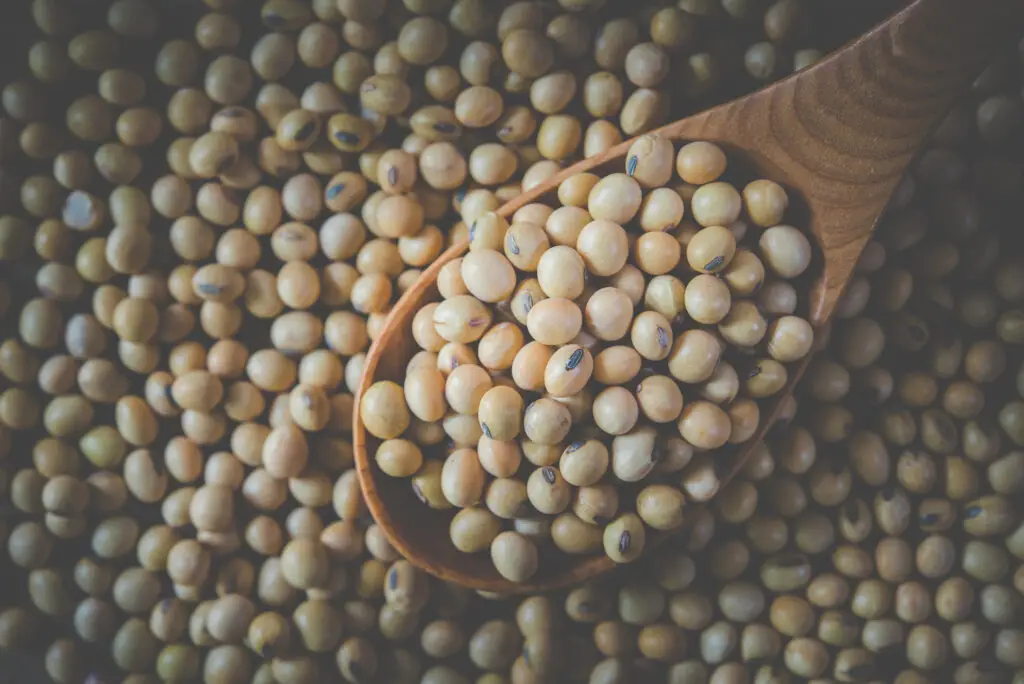
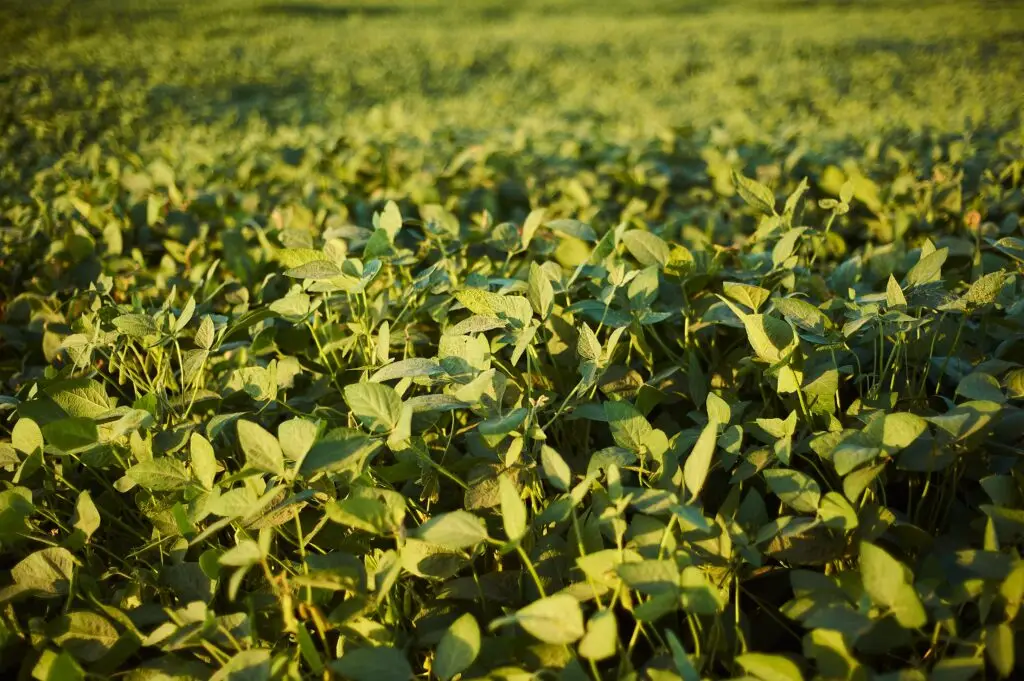
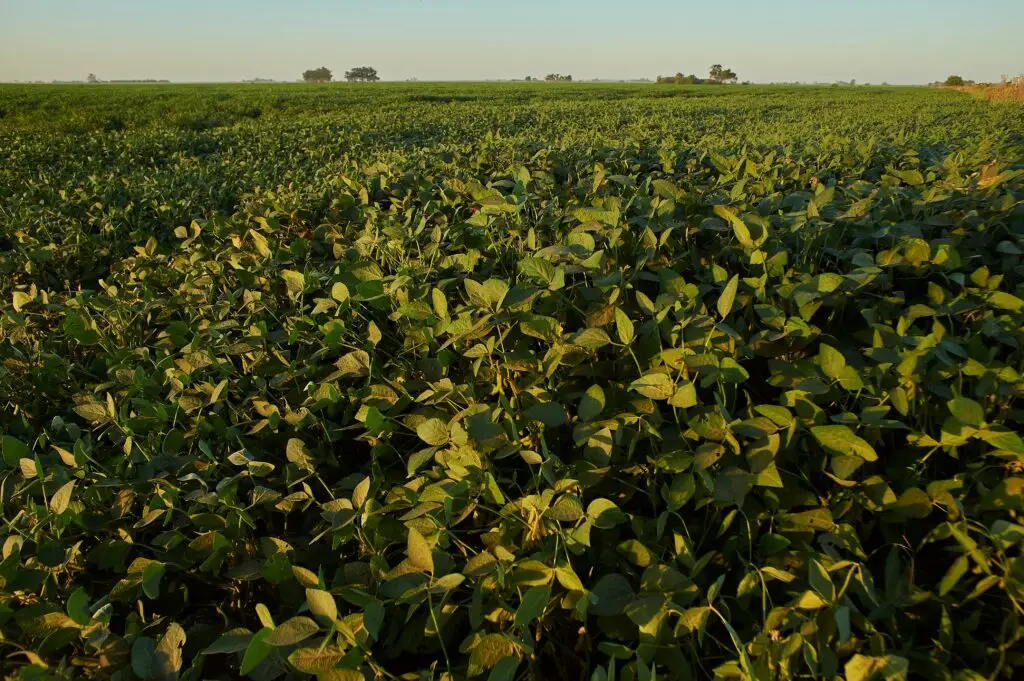
Research report provide by Mahasheevrajya SLA. Report: Procurement of Soybean in 2025
1. Overview
Soybean remains a critical crop globally and especially in India, both for edible oil, meal (animal feed), and various industrial uses. Procurement practices (government purchases, price support, imports, processing) are being shaped in 2025 by a mix of climatic, economic, trade and policy‐factors. The report below examines current status, challenges, and outlook, primarily for India, with comparisons where data is available.
2. Key Figures & Trends in India
| Metric | Value / Observation (2025) |
|---|---|
| Production | Projected decline: for marketing year 2025/26, production is forecast at 10.7 million metric tons (MMT), down from earlier estimates. USDA Food and Nutrition Service |
| Harvested Area | Decline in acreage: estimated harvested area 11.5 million hectares, down from about 13 million ha. USDA Food and Nutrition Service |
| Yield | Yield expected to hold fairly steady around 0.93 tonnes per hectare. USDA Food and Nutrition Service |
| Minimum Support Price (MSP) | Increased to ₹5,328 per quintal (2025 kharif season). Farmonaut®+2USDA Food and Nutrition Service+2 |
| Procurement via PSS (Price Support Scheme) | ~19.99 Lakh Metric Tonnes (LMT) procured in Kharif 2024-25 till 9 Feb 2025, benefiting ~8.46 lakh farmers. Global Agriculture Also earlier, some quantities like ~0.67 million MT had been procured by NAFED by Dec 2024. pjtau.edu.in |
| Market price vs MSP | Market prices are frequently below the MSP, sometimes by 10-20%; procurement cost (with logistics, wastage etc.) is high, auctions/disposals happen at discounts, leading to losses for government agencies. Global Agriculture+2pjtau.edu.in+2 |
| Soybean crushing / oil & meal output | Crushing expected to fall ~6% vs the previous year to about 9.5 MMT. Meal & oil outputs likewise decline. USDA Food and Nutrition Service+1 |
| Imports | India’s international procurement of whole soybeans is quite minimal due to high tariffs (~57%), prohibition on genetically engineered soybeans, etc. USDA Food and Nutrition Service+1 Some imports of soybean oil (not whole beans) are forecast to increase. USDA Food and Nutrition Service |
| User demand | Domestic consumption shows increasing demand, especially for edible oils and animal feed, but feed demand is weakening in some segments. USDA Food and Nutrition Service+1 |
3. Procurement under Government Schemes (India)
- Price Support Scheme (PSS): Procurement under PSS remains the major mechanism. Several states (Chhattisgarh, Gujarat, Madhya Pradesh, Maharashtra, Rajasthan, Telangana, Karnataka) are participating. Global Agriculture
- Procurement Volumes: As mentioned, ~19.99 LMT under Kharif 2024-25 till Feb 2025 were procured. Global Agriculture
- Cost & Losses: The Soybean Processors Association of India (SOPA) reported that government incumbents suffer heavy losses due to discrepancy between MSP + procurement cost vs what the stock sells at in open auction (often deep discount). They estimate loss in the order of ₹2,000 crore for recent marketing year. Global Agriculture
- Policy suggestions: SOPA suggests alternatives like Bhavantar Bhugtan Yojana (a scheme to pay the difference between market price and MSP) to reduce the burden of procurement, storage, wastage etc. Global Agriculture
4. Challenges
- Declining acreage: Farmers are shifting away from soybean to more profitable or less risky crops (corn, sugarcane, etc.), especially when market price falls below MSP. The Economic Times+3Farmonaut®+3USDA Food and Nutrition Service+3
- Weather & climate: Untimely rainfall, excessive rains during sowing, poor pod development due to limited sunlight have been major issues. USDA Food and Nutrition Service
- Low market price relative to MSP: Because of import duties, substitute feed ingredients (like DDGS), global oil & meal price pressures, domestic market price remains low. Reuters+3Global Agriculture+3USDA Food and Nutrition Service+3
- Rising procurement cost & wastage: Handling, logistics, moisture loss, commission fees, storage etc add significantly to cost. Global Agriculture
- Global competition and imports: Lower cost alternatives from abroad, cheaper soybean oil imports suppress domestic procurement margins. Highly influenced by trade policy, tariffs, and import duties. USDA Food and Nutrition Service+2USDA Food and Nutrition Service+2
- Export challenges for soybean meal: Demand weakening, price uncompetitive, some traditional markets (e.g. Iran) reduced purchases. The Times of India
5. Outlook / Forecast
- Production & supply: Expect a further fall or stagnation in harvested area if price signals don’t improve. Yields may not drop significantly if good seed and varieties used, but output overall will likely decline. USDA Food and Nutrition Service
- Procurement burden increasing: If MSP remains high and market remains weak, procurement requirements & costs for government will increase — potential fiscal burden may rise sharply. Global Agriculture+1
- Possible policy shifts: More advocacy for schemes like Bhavantar (price compensation) rather than large physical procurement. Also potentially import duty adjustments or promotion of alternatives in feed to reduce pressure. Global Agriculture
- Influence of global trends: Surpluses from Brazil, trade shifts, global oil/meal price fluctuations, supply chain costs, and climate risk (monsoon, extreme weather) will significantly affect domestic procurement viability. USDA Food and Nutrition Service+2Farmonaut®+2
6. Policy Recommendations
- Ensure MSP is realistically supported by procurement and market linkages, including efficient logistics and reduction in wastage (storage, moisture losses).
- Promote alternative procurement models (e.g., Bhavantar) which avoid the cost of physical procurement, storage, auction.
- Improve infrastructure: better storage, transport, grading/quality assurance (Fair Average Quality) so that procurement loss is reduced and farmers do not suffer for quality issues.
- Encourage crop diversification carefully, but ensure that soybean remains attractive through assured prices, subsidies, or support in processing/market access.
- Regulate imports/duties sensitively, especially of soybean oil and substitutes in feed (like DDGS), so they do not depress domestic demand unfairly.
- Strengthen forecasting, climate risk management: better weather services; crop insurance; risk tools to handle volatility in production and price.
7. Global / Comparative Factors
- Global stockpiles of soybeans are high, especially with large harvests in places like Brazil. This puts downward pressure on prices internationally. Momex+1
- Trade tensions and import restrictions (especially for genetically modified soybeans) are major factors affecting what can be imported, how processed, and at what cost. USDA Food and Nutrition Service+1
- Demand for edible oils globally is increasing; food consumers in India are likely to buy more soyoil, subject to price and availability. This demand pulls in imports when domestic oil output (from soy) is insufficient. USDA Food and Nutrition Service+1
8. Conclusion
Procurement of soybean in 2025 in India is under stress. Despite policy support (MSP, PSS), physical procurement is costly, and market price dynamics are not aligned to ensure profitability for farmers. Declining acreage, competition from other crops, and global factors make it likely that without well-targeted interventions, domestic production and procurement will continue to face headwinds.
The government may need to balance between physically buying large volumes vs mechanisms that ensure price stability (e.g. price difference compensation), while simultaneously improving supply chain efficiency. Also, addressing import duties, feed substitution, and climate risk are essential.